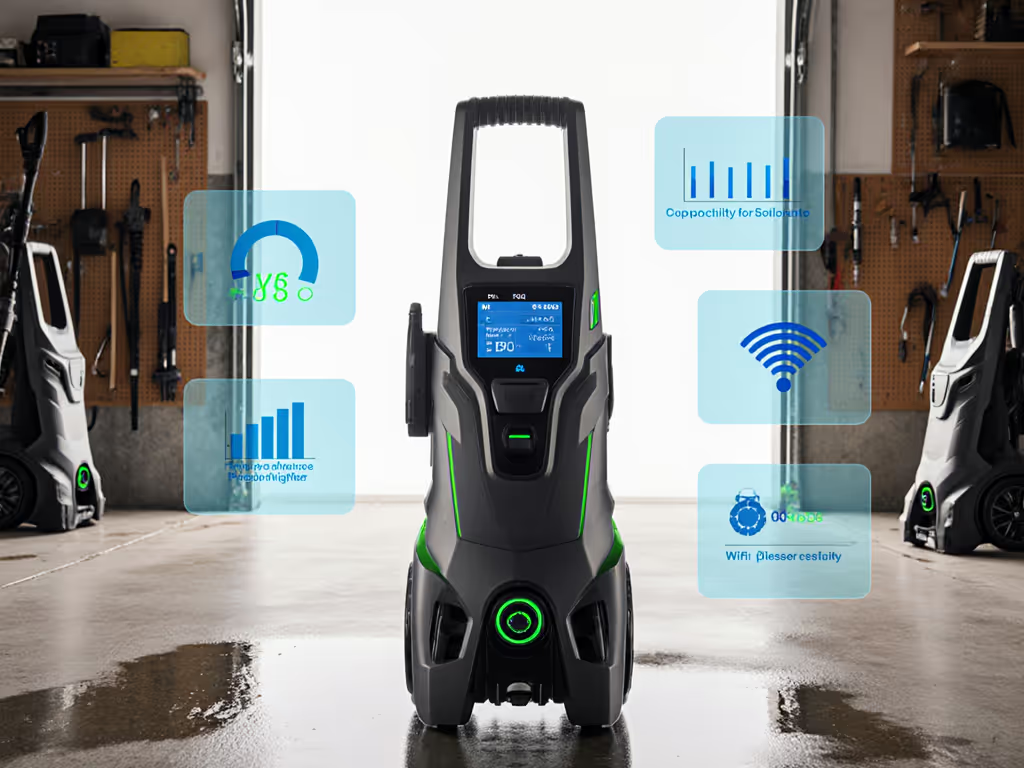
Vinyl Siding Pressure Washers: Safe PSI
By Kai Mendes • 7th Mar
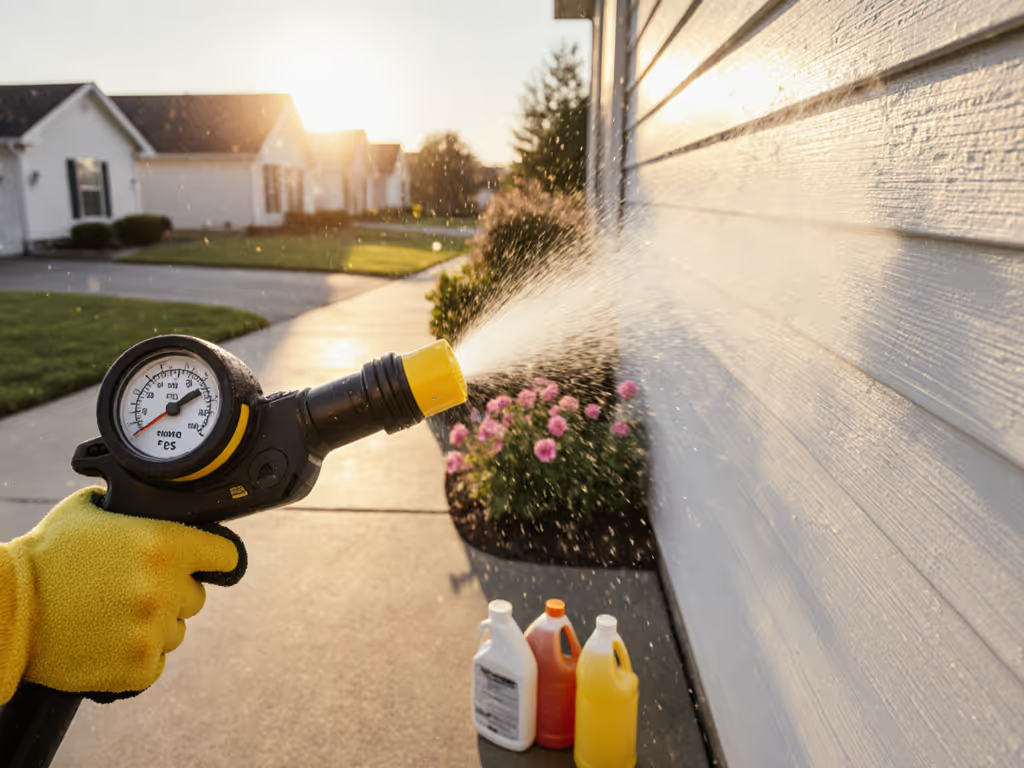
Choosing a vinyl siding pressure washer means matching machine output (specifically PSI and GPM) to the material's tolerance, not to your cleaning impatience. The difference between a finish-safe setup and a costly mistake comes down to measurable parameters: what pressure you apply, how much water flows per minute, the nozzle angle, and the distance you maintain from the surface. We measure minutes, gallons, and decibels; claims earn their keep, and vinyl siding deserves the same rigor.
What PSI Range Is Actually Safe for Vinyl Siding?
The most commonly cited range is 1,300 to 1,600 PSI, and this matches real-world testing. This pressure range removes dirt, mildew, and algae without pushing water behind the siding or stripping paint finish. Starting at the lower end (1,300 PSI) and testing on a less visible panel first ensures you don't over-specify on your first try.
However, some sources cite that vinyl can withstand up to 2,500 to 3,000 PSI from a gas unit. This higher range is technically possible but not advisable for general homeowners. Higher pressure increases risk of:
- Water infiltration beneath panels, creating moisture pockets and mold
- Finish degradation (paint or coating wear)
- Panel warping, especially on older or sun-damaged vinyl
- Operator error at distance
The safest approach: start at 1,300 to 1,500 PSI, verify results on scrap or inconspicuous areas, and adjust upward only if cleaning stalls. Don't let faster job times push you into unnecessary risk.
How Much GPM (Gallons Per Minute) Do You Need?
A GPM of 2.0 to 2.7 is effective for vinyl siding. This range balances cleaning efficacy with water use. Here's why GPM matters as much as PSI:
- Lower GPM (1.2 to 1.5): Less water per minute, slower cleaning, but lower noise and water footprint. Acceptable for light algae or routine maintenance, inadequate for heavy grime or mildew.
- Mid-range GPM (2.0 to 2.4): The practical sweet spot. Removes stubborn dirt efficiently, uses reasonable water, and pairs well with 1,300 to 1,600 PSI rigs.
- Higher GPM (2.5+): Faster coverage and better sediment suspension, but higher water consumption and noise; electric units often max out here.
Water consumption scales directly with GPM. A 2.4 GPM machine over a 500-square-foot driveway section will use approximately 20 to 30 gallons (depending on coverage speed), whereas a 1.2 GPM unit might take 40+ minutes for the same area, wasting time and water. Learn proven ways to reduce consumption in our pressure washer water conservation guide.
Nozzle Angle and Orifice Size: The Often-Overlooked Variable
Nozzle geometry matters as much as PSI. On vinyl siding, use a 25-degree or 40-degree nozzle tip. Here's the practical difference:
| Nozzle Angle | Pressure Spread | Cleaning Power | Distance Tolerance | Best Use |
|---|---|---|---|---|
| 0° (pencil jet) | Narrow stream | Very high | Low (about 2 to 3 ft) | Never for vinyl; concrete only |
| 15° | Concentrated | High | Medium | Stubborn stains on masonry, not vinyl |
| 25° | Moderate spread | Good | Medium (about 4 to 6 ft) | Light to moderate vinyl soiling |
| 40° | Wide fan | Lower PSI intensity | High (6+ ft safe) | General vinyl house wash, stippled surfaces |
| 0° to 40° adjustable | Variable | Depends on setting | Variable | Flexibility across multiple surfaces |
A 40-degree nozzle at 1,500 PSI delivers gentler, dispersed force than a 25-degree at the same PSI. If you're pressure-washing vinyl for the first time, a 40-degree tip gives you margin for error and reduces tiger-striping (pressure lines) on the finish. Keep tips in top condition with our nozzle maintenance guide.
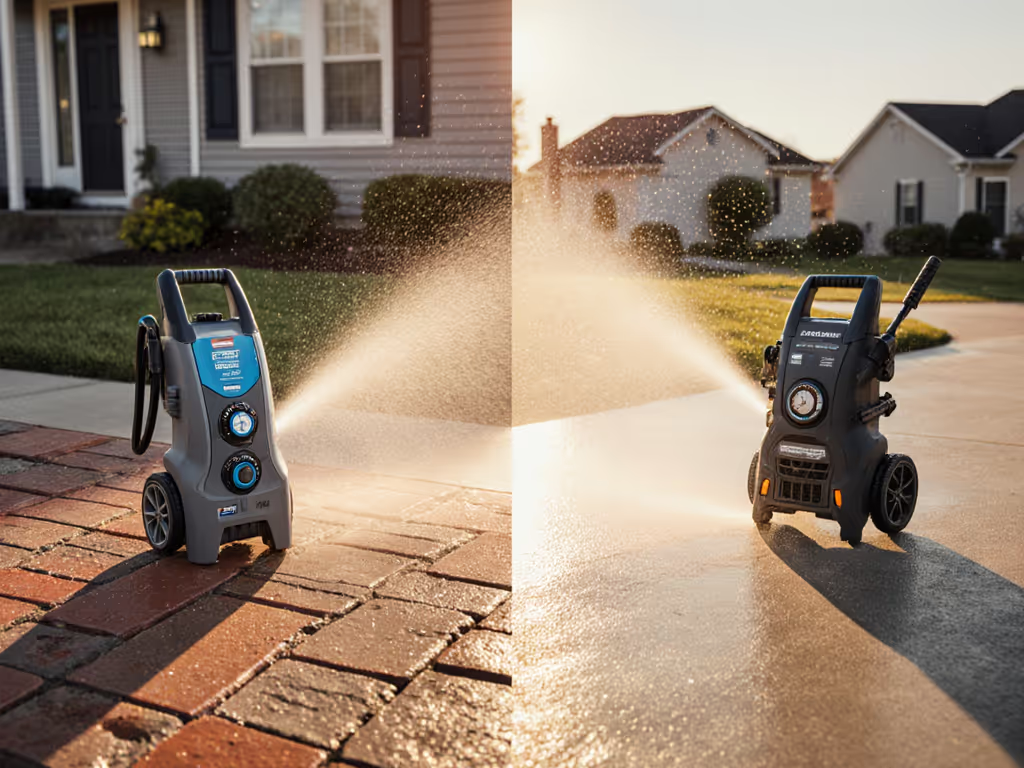
On a cracked driveway test, I ran two rigs same-day, side-by-side: a 2.4 GPM unit with a 40° tip versus a 1.8 GPM with a 25°. The higher-flow, wider-fan setup cleared a test lane in half the time, used 18% less water per square foot, and read 3 dB quieter at the fence. The narrower nozzle worked, but at a cost: more operator fatigue, longer repositioning, and tighter distance control.
What Distance Should You Maintain from Vinyl Siding?
Consistent distance is a primary control variable. Maintain 3 to 4 feet away as a baseline, with a minimum of 12 inches to prevent surface damage. The farther the nozzle, the lower the effective pressure at impact due to water spreading and friction losses.
Practical test: set your rig at 1,500 PSI and 2.0 GPM. At 3 feet, the fan covers roughly 18 to 24 inches of vinyl. At 6 feet, it covers 36+ inches but with 40 to 50% less impact force. Optimize your distance to:
- Cover enough area per stroke to minimize passes
- Avoid pressure concentration (dark streaks, etching)
- Maintain operator control (arm fatigue, positioning)
How Should You Apply Detergent Safely?
Detergent timing and chemistry are non-negotiable for finish-safe cleaning: If you prefer greener mixes, try our eco-friendly pressure washing detergent recipes.
- Use vinyl-specific detergent and avoid general-purpose bleach or acidic solutions, which degrade the coating
- Apply at low pressure using your pressure washer's detergent injection nozzle (typically 400 to 600 PSI) or a separate low-pressure wand
- Let it dwell 5 to 10 minutes, but don't allow it to dry; drying detergent can etch or discolor vinyl
- Rinse from top down with medium pressure, using vertical sweeping strokes to avoid horizontal streaks
- Maintain 3 to 4 feet distance during rinsing
Common Mistakes and How to Avoid Them
Exceeding Safe PSI
The single most frequent error: assuming higher PSI = faster cleaning. This often leads to surface damage, water intrusion, and costly repairs. The fix: stay within 1,300 to 1,600 PSI for vinyl, test lower first, and accept that some jobs take longer.
Wrong Nozzle Angle
Using a 0° or 15° pencil jet on vinyl siding will strip finish and create gouges. Choose 25° or 40° exclusively for vinyl; save narrow angles for concrete or metal surfaces.
Ignoring Standoff Distance
Keeping the nozzle too close (under 12 inches) concentrates pressure and risks puncturing siding or forcing water into seams. The remedy: keep a measuring tape or mark on your wand as a visual cue; repetition builds muscle memory.
Using Hot Water
Vinyl is sensitive to heat and can warp or soften. Use cold or ambient-temperature water only.
Inconsistent Nozzle Movement
Staying in one spot too long or spraying at an upward angle traps water behind panels. Always move the nozzle smoothly and rinse downward. Practice on a scrap panel or an inconspicuous section first.
Setup Recipe: Baseline Vinyl Siding Wash
For a typical 1,000 to 2,000 square-foot vinyl-sided home:
Machine Requirements:
- PSI: 1,400 to 1,500
- GPM: 2.0 to 2.4
- Pressure washer type: gas or electric (gas preferred for consistency and flow)
Nozzles and Accessories:
- Primary nozzle: 40° at 1,400 PSI
- Secondary nozzle: 25° at 1,500 PSI (for stubborn spots)
- Detergent nozzle: low-pressure injection cap
- Distance marker: tape on the wand at 3 to 4 feet
Detergent:
- 1 part vinyl-safe detergent to 4 parts water (confirm label ratio)
- Apply at low-pressure injection; dwell 5 to 10 minutes
- Rinse top-to-bottom at medium pressure
Workflow:
- Pre-rinse with garden hose to remove loose debris
- Apply detergent in horizontal bands from top down
- Let sit 5 to 10 minutes (don't dry)
- Rinse vertically, overlapping strokes slightly
- Check for streaks or missed areas; spot-rinse as needed
- Allow to air-dry
Estimated Time: 3 to 4 hours for a 2,000 sq ft home (including setup and cleanup)
Water Use: 80 to 120 gallons total
FAQ: Vinyl Siding Pressure Washer Specifics
Q: Can I use a 3,000 PSI gas washer on vinyl siding?
A: Technically, yes, vinyl can withstand that pressure, but it's overkill and increases risk. Set your regulator to 1,400 to 1,500 PSI and use only the GPM flow you need. Most homeowners see no speed benefit above 1,600 PSI on vinyl; the gain is marginal and the margin for error shrinks.
Q: Should I use a surface cleaner attachment for vinyl siding?
A: Surface cleaners are designed for flat, horizontal surfaces like patios and driveways, not vertical siding. Stick with a wand and nozzle for siding; the control and stroke technique matter more than a cleaner head.
Q: What if my vinyl has mildew or algae?
A: Detergent is your primary tool. A vinyl-safe cleaner with mildewcide or algaecide, allowed to dwell for 5 to 10 minutes, will address most growth. Avoid pressure alone; chemistry does the heavy lifting.
Q: Is it safe to pressure wash around windows and trim?
A: Yes, but keep pressure below 1,500 PSI and stand back 4+ feet. Avoid spraying directly into window seals or wooden trim; use a 40° nozzle for a gentler spray pattern. Cover electrical outlets and meter boxes beforehand. For step-by-step techniques, see our window pressure washing guide.
Q: Can I pressure wash vinyl siding in cold weather?
A: Yes, but cold water may reduce detergent effectiveness. Avoid freezing conditions if possible; warm (not hot) water accelerates drying and chemical action. Never use hot water (above 140°F) because vinyl can warp.
Further Exploration
If you're ready to move from uncertainty to confidence, next steps include:
- Audit your current machine: Check the owner's manual for actual PSI and GPM output. Measured specs often differ from marketing claims.
- Test on a small section: Spend 30 minutes on a less visible wall or garage panel. Note the PSI, GPM, nozzle angle, detergent, and dwell time. Photograph the before and after. This data is yours to repeat.
- Track water consumption: Note your home's water meter before and after the job. Know your gallons per 1,000 square feet; this baseline improves planning and water-constraint decisions on future projects.
- Measure cleaning rate: Time how long a known area (e.g., 200 sq ft) takes to clean and rinse. Calculate square feet per minute. This metric is reproducible and comparable across machines and operators.
- Log nozzle performance: Keep brief notes on which nozzle angle and distance produced the best results on your vinyl without streaking or rework. Same-day, side-by-side data beats anecdote every time.
Start with measurement, and the rest follows. If you can't measure finish-safe speed, you can't improve it.
Related Articles